
Newsletter Subscribe
Enter your email address below and subscribe to our newsletter

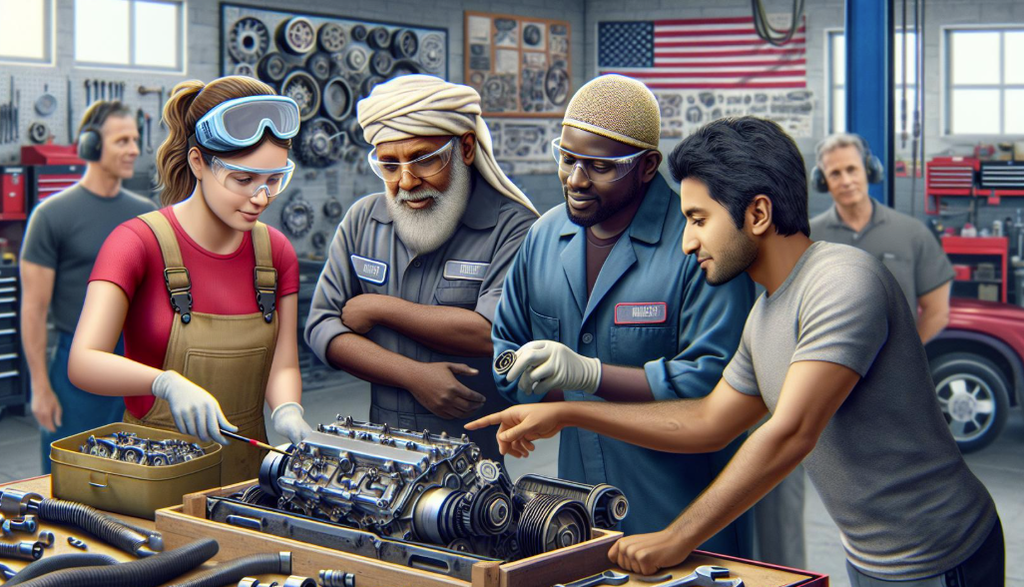
EngineFirm.com is an online platform name that can attract readers interested in engines, automotive technology, vehicle maintenance, mechanical knowledge, performance improvement, and practical car-related information. As vehicles become more advanced and drivers look for reliable ways to understand their cars, websites focused on engines and automotive topics can provide useful educational value.
EngineFirm.com can serve readers who want simple explanations of how engines work, what common problems mean, how regular maintenance supports performance, and how modern vehicle technology continues to change. Automotive information can sometimes feel complicated, especially for beginners, so clear and practical content can make technical subjects easier to understand.
From basic engine components to fuel efficiency, cooling systems, oil changes, diagnostics, and performance, a platform centered on automotive knowledge can cover many useful areas.
EngineFirm.com can be viewed as an automotive-focused online platform where readers may explore information about engines, maintenance, vehicle systems, troubleshooting, performance, and modern mechanical technology.
Car owners often want to understand what happens under the hood without becoming professional mechanics. They may want to know why an engine overheats, when oil should be changed, what warning lights mean, or why fuel consumption has increased.
Simple automotive guides can answer these questions and help drivers communicate more effectively with mechanics when professional service is required.
EngineFirm.com is a domain name associated with engine-related and automotive informational content. It can be useful for people interested in vehicle maintenance, engine performance, mechanical systems, automotive technology, and general car care.
The platform can serve different audiences.
Beginners may want basic explanations of engine parts, while experienced automotive enthusiasts may prefer content about performance, efficiency, diagnostics, and advanced technology.
A good automotive website should organize these topics clearly so readers can easily find information suited to their experience level.
Understanding basic engine functions can help vehicle owners make better maintenance decisions.
Drivers do not need advanced mechanical training to benefit from general automotive knowledge.
Knowing the purpose of engine oil, coolant, filters, belts, spark plugs, and other components can make it easier to identify when something may need attention.
Minor vehicle problems can sometimes become more expensive when ignored.
Unusual sounds, warning lights, overheating, reduced performance, or changes in fuel consumption may indicate that something needs inspection.
Early attention can help reduce the chance of more serious damage.
Drivers who understand basic automotive terms can describe problems more clearly.
This can make communication with repair professionals easier and help owners understand recommended services.
The engine is one of the most important parts of many vehicles.
Its basic purpose is to convert energy into movement.
In traditional internal combustion vehicles, fuel and air are combined and burned inside the engine. This process produces controlled force that moves internal components and eventually powers the wheels.
The engine draws in air, which is combined with fuel.
The air and fuel mixture is compressed inside the cylinder.
The mixture is ignited, producing energy.
Gases created during combustion are removed through the exhaust system.
This basic cycle happens repeatedly while the engine operates.
EngineFirm.com can provide useful explanations of the parts that work together inside an engine.
Pistons move up and down inside cylinders.
Their movement helps convert combustion energy into mechanical motion.
The crankshaft converts the pistons’ movement into rotational energy.
This rotation eventually contributes to moving the vehicle.
The camshaft helps control the opening and closing of engine valves.
Proper timing is important for smooth engine operation.
Valves control the movement of air, fuel, and exhaust gases.
They must open and close at the correct time.
In gasoline engines, spark plugs ignite the air and fuel mixture.
Worn spark plugs can affect performance and fuel efficiency.
Engine oil plays a major role in protecting internal components.
Moving parts create friction, and oil helps reduce that friction.
It also assists with cooling and helps carry contaminants toward the oil filter.
Using the correct oil type and changing it according to vehicle recommendations can support long-term engine health.
Ignoring oil changes can allow contaminants to build up and reduce lubrication quality.
Engines produce significant heat.
The cooling system helps control temperature and prevent overheating.
Common cooling system components include the radiator, coolant, water pump, thermostat, hoses, and cooling fans.
The radiator helps release heat from the coolant.
Coolant circulates through the engine and absorbs heat.
The water pump helps move coolant through the system.
The thermostat helps control coolant circulation according to engine temperature.
Proper cooling system maintenance is important because severe overheating can damage major engine components.
Vehicle owners should pay attention to changes in how their car behaves.
EngineFirm.com can help readers understand common warning signs without encouraging unnecessary panic.
Knocking, ticking, grinding, or rattling sounds can indicate different problems.
The cause may range from minor to serious, so unfamiliar sounds should not be ignored.
Reduced acceleration or weak engine performance can result from fuel, air, ignition, or mechanical issues.
Smoke from the exhaust may indicate problems depending on its color and frequency.
Dashboard warning lights can indicate engine, emissions, electrical, or other vehicle issues.
Drivers should consult the vehicle manual or a qualified professional when a warning remains active.
Regular maintenance is one of the most effective ways to support vehicle reliability.
Maintenance requirements vary between vehicles, so owners should follow manufacturer recommendations.
Oil and filters should be replaced at suitable intervals.
Clean oil supports lubrication, while a good filter helps remove contaminants.
The engine air filter helps prevent dust and debris from entering the engine.
A heavily clogged filter can affect airflow.
Spark plugs can wear over time.
Replacing worn plugs can help maintain smooth ignition and efficient operation.
Belts and hoses can crack, loosen, or deteriorate.
Periodic inspection can help identify issues before failure occurs.
Fuel efficiency depends on several factors.
Engine condition is important, but driving style, tire pressure, vehicle weight, traffic conditions, and maintenance also influence consumption.
A poorly maintained engine may use more fuel than necessary.
Aggressive acceleration and heavy braking can increase fuel consumption.
Underinflated tires create additional rolling resistance.
A properly maintained engine generally operates more efficiently.
Carrying unnecessary heavy items can slightly increase fuel use.
Modern vehicles use electronic control systems to monitor engine performance.
Sensors collect information about temperature, airflow, oxygen levels, fuel delivery, and other conditions.
When a system detects a problem, it may store a diagnostic trouble code.
A diagnostic scanner can help technicians identify where to begin investigating.
However, a code does not always mean one specific component must automatically be replaced.
Proper diagnosis involves understanding the complete system.
Automotive technology has changed significantly.
Modern vehicles use computers, sensors, electronic fuel injection, advanced transmissions, safety systems, and increasingly sophisticated engines.
EngineFirm.com can help explain these developments in simple language.
Fuel injection systems deliver controlled amounts of fuel based on engine conditions.
This technology generally improves efficiency compared with older mechanical systems.
Turbochargers use exhaust energy to push more air into the engine.
This can increase power without requiring a much larger engine.
Variable valve timing allows engines to adjust valve operation according to speed and load.
This can support both performance and efficiency.
Turbocharged engines have become common in modern vehicles.
A turbocharger forces additional air into the engine, allowing more fuel to be burned efficiently and producing additional power.
However, turbocharged engines can require proper oil quality and regular maintenance.
Drivers should follow manufacturer recommendations and avoid ignoring warning signs.
Good maintenance can help support long-term reliability.
Naturally aspirated engines draw air without using a turbocharger or supercharger.
They are often appreciated for simple power delivery and mechanical simplicity.
Turbocharged engines can provide more power from smaller displacement.
Each design has advantages and disadvantages.
The best option depends on vehicle use, maintenance habits, fuel economy goals, and personal preference.
Diesel and gasoline engines operate differently.
Gasoline engines usually use spark plugs to ignite the air and fuel mixture.
Diesel engines rely on high compression to ignite fuel.
Diesel engines can offer strong torque and good efficiency in certain applications.
Gasoline engines are commonly used in passenger vehicles and can provide smooth performance.
Neither type is automatically better for every user.
Hybrid vehicles combine an internal combustion engine with one or more electric motors.
The system can use electric power during certain driving conditions and the combustion engine at other times.
Some hybrids also recover energy during braking.
This technology can improve fuel efficiency, especially in urban driving.
Hybrid systems are more complex than traditional vehicles, so specialized knowledge may sometimes be needed for repairs.
Electric vehicles do not use traditional internal combustion engines.
Instead, they rely on electric motors and battery systems.
This shift is changing the automotive industry.
Electric motors contain fewer moving parts than combustion engines, but electric vehicles introduce other important systems such as battery management, charging equipment, power electronics, and thermal control.
EngineFirm.com can expand beyond traditional engines by covering these newer vehicle technologies.
Some automotive enthusiasts want to improve engine performance.
Modifications can include air intake changes, exhaust systems, software tuning, upgraded cooling components, and other performance parts.
However, modifications should be approached carefully.
Changes can affect reliability, fuel consumption, emissions, warranty coverage, and safety.
Professional installation and proper tuning can reduce risks.
Engine tuning involves adjusting software or mechanical settings to change performance.
Modern vehicles often use electronic control units that manage fuel, ignition, boost pressure, and other functions.
Performance tuning can increase power, but aggressive tuning can also place additional stress on components.
Responsible tuning should consider the engine’s design limits.
Engines require both fuel and air to operate correctly.
Contaminated fuel or restricted airflow can affect performance.
Fuel filters help reduce contaminants, while air filters help protect the intake system.
Keeping these systems maintained can support smoother operation and efficient combustion.
A misfire occurs when combustion does not happen correctly in one or more cylinders.
Possible causes include ignition problems, fuel delivery issues, air leaks, compression problems, or faulty sensors.
Symptoms can include rough running, reduced performance, vibration, or warning lights.
Because multiple problems can cause similar symptoms, proper diagnosis is important.
Overheating should be taken seriously.
Continuing to drive a severely overheating vehicle can cause major damage.
Possible causes include low coolant, cooling system leaks, thermostat problems, fan issues, water pump failure, or radiator problems.
Drivers should follow safe procedures and avoid opening a hot cooling system because pressurized coolant can cause serious burns.
Preventive maintenance focuses on addressing normal wear before it creates larger problems.
EngineFirm.com can provide readers with practical reminders about regular inspection and service.
Good preventive maintenance can include checking fluids, replacing filters, inspecting belts, maintaining the cooling system, and following service schedules.
Preventive care does not guarantee that a vehicle will never experience problems, but it can reduce avoidable failures.
Vehicles use several important fluids.
Lubricates internal engine components.
Controls engine temperature.
Supports transmission lubrication and operation.
Transfers pressure within the braking system.
Used in some steering systems.
Fluid specifications vary by vehicle, so owners should follow manufacturer recommendations.
Inspections can identify wear before it becomes a failure.
Checking tires, lights, fluids, belts, hoses, brakes, and battery condition can help maintain reliability.
Drivers should pay attention to changes in vehicle behavior.
A small vibration or unusual smell can sometimes provide an early warning that something needs attention.
General automotive websites may cover vehicle news, reviews, pricing, insurance, and buying advice.
EngineFirm.com can create a more focused identity by emphasizing engines, mechanical systems, maintenance, diagnostics, and vehicle technology.
This approach can appeal to readers who want to understand how vehicles work rather than only comparing models.
A focused platform can still include broader automotive topics when they connect naturally with engine performance and maintenance.
Automotive information should be accurate and responsible.
Incorrect repair advice can create unnecessary expense or safety risks.
Articles should distinguish general educational information from professional diagnostic or repair work.
Complex problems involving brakes, fuel systems, electrical systems, high-voltage components, or major engine repairs may require trained technicians.
Good automotive content should help readers understand problems without encouraging unsafe repairs.
Many drivers search for automotive information from their phones.
They may be standing near their vehicle when looking up a warning light, maintenance question, or engine symptom.
A mobile-friendly website can make this information easier to access.
Clear headings, short paragraphs, and responsive pages can improve usability on smaller screens.
A strong automotive platform should organize information logically.
Possible categories can include engine basics, maintenance, diagnostics, performance, fuel systems, cooling, electrical systems, and emerging vehicle technology.
Search functionality can also help readers quickly find specific topics.
Related articles can connect users with additional information.
Someone reading about overheating may also want to learn about coolant or radiator maintenance.
Original content can make technical information easier to understand.
Automotive subjects often involve complicated terminology.
A useful platform can take technical concepts and explain them using everyday language.
Examples and practical scenarios can also improve understanding.
Readers usually value content that answers real questions instead of simply listing mechanical definitions.
Search-friendly content can help users discover useful information.
The keyword EngineFirm.com should appear naturally without making every paragraph repetitive.
Articles should focus on answering automotive questions clearly.
Clear headings, logical structure, and helpful explanations can support both user experience and search visibility.
Keyword use should always feel natural and relevant.
Vehicle owners sometimes make simple mistakes that can affect long-term reliability.
Warning lights should not be automatically ignored.
Old or contaminated oil can reduce engine protection.
Vehicles require specific fluid types.
Severe overheating can cause expensive damage.
Small problems may become more serious when unnoticed.
Understanding these mistakes can help owners take better care of their vehicles.
Readers can begin by identifying the type of information they need.
Those interested in basic engine knowledge can explore component explanations and maintenance guides.
Drivers dealing with unusual symptoms can learn about common possible causes before seeking professional diagnosis.
Automotive enthusiasts may prefer content related to performance, turbocharging, tuning, and modern technology.
Users should also check whether information applies to their particular vehicle because engine designs and service requirements can vary.
Engine technology continues to evolve.
Manufacturers are developing more efficient combustion systems, hybrid powertrains, electric vehicles, advanced materials, and smarter control systems.
Traditional engines may continue to exist for many years, especially in certain industries and markets.
At the same time, electric power systems will likely become increasingly important.
Automotive readers will therefore need information covering both conventional and emerging technologies.
The future of EngineFirm.com can depend on how well the platform adapts to changes in the automotive industry.
Readers may continue searching for traditional engine maintenance while also becoming interested in hybrid systems, electric motors, battery technology, and advanced vehicle electronics.
Expanding content across these areas can help the platform remain relevant.
Clear explanations and practical automotive education can continue providing value regardless of how vehicle technology changes.
EngineFirm.com is an automotive-focused domain name that can provide information about engines, vehicle maintenance, performance, diagnostics, and modern automotive technology.
The platform can cover engine basics, oil changes, cooling systems, fuel efficiency, diagnostics, turbocharging, vehicle technology, maintenance, and performance topics.
Yes. Simple automotive explanations can help beginners understand engine components, common maintenance requirements, and basic vehicle systems.
General informational content can help readers understand possible causes of common symptoms, but complex diagnosis and repair should be handled by qualified automotive professionals when necessary.
The platform can cover turbocharging, electronic fuel injection, hybrid systems, electric vehicles, sensors, diagnostics, and other modern automotive technologies.
Regular maintenance helps support lubrication, cooling, efficiency, reliability, and long-term vehicle performance while reducing the risk of avoidable problems.
EngineFirm.com can serve as a useful automotive information platform for readers interested in engines, maintenance, diagnostics, performance, and modern vehicle technology. From understanding basic engine components to learning about cooling systems, fuel efficiency, turbocharging, hybrid vehicles, and electric technology, automotive education can help drivers make more informed decisions.
A strong platform should focus on clear explanations, practical information, responsible maintenance guidance, and organized categories. EngineFirm.com can provide value to beginners, car owners, automotive enthusiasts, and readers who simply want to understand how modern vehicles work.
As the automotive industry continues to evolve, EngineFirm.com can remain relevant by combining traditional engine knowledge with information about new technologies, helping readers better understand both current vehicles and the future of transportation.